What the seller cites
The sales page lists nine references with PubMed search links and states plainly that the studies were not conducted on the finished Thyronex formula and do not establish its efficacy, and that the cited organisations do not endorse it. That is more honest than most supplement pages. We checked what each paper is about.
| Reference | What it is | What it means for Thyronex |
|---|---|---|
| Bianco et al., 2002, Endocrine Reviews | Review of the selenodeiodinase enzymes that convert T4 to T3 | Explains the biology; the enzymes need selenium, which Thyronex does not contain. |
| Malik & Hodgson, 2002, QJM | Review of how the thyroid and liver affect each other (PubMed) | Supports the liver-thyroid link in disease; says nothing about supplements. |
| Saller et al., 2001, Drugs | Review of silymarin in liver disease | Older review; NCCIH’s newer summary calls the evidence conflicting. |
| Ben Salem et al., 2015, Plant Foods Hum Nutr | Review of artichoke leaf extract pharmacology (PubMed) | Mostly lab, animal and small human studies at much higher doses. |
| Clifford et al., 2015, Nutrients | Review of red beetroot supplementation (PMC) | Focus on nitrate, blood pressure and exercise, not the liver or thyroid. |
| Schütz et al., 2006, J Ethnopharmacol | Review of dandelion (Taraxacum) | Traditional use and lab data; NCCIH finds no compelling human evidence. |
| Lu, 2013, Biochim Biophys Acta | Review of glutathione synthesis | Basic biochemistry for cystine and methionine. |
| Severo et al., 2019, Int J Vitam Nutr Res | Review of zinc in thyroid hormone metabolism (PubMed) | Relevant to zinc deficiency; not a trial of supplementation in healthy people. |
| Hewlings & Kalman, 2017, Foods | Review of curcumin and health | General review; NCCIH notes liver injury reports with some bioavailable products. |
The pattern
- All nine are reviews, not new clinical trials.
- Two explain thyroid biology; five discuss single ingredients; one is biochemistry; one covers zinc.
- None tested a product with these doses, and none measured thyroid hormones after taking liver herbs.
- The thyroid-biology papers highlight selenium, which the formula lacks.
Newer independent summaries
For milk thistle, the NIH’s NCCIH reports conflicting results and two negative NIH-funded trials. For dandelion, NCCIH finds no compelling evidence. For phyllanthus, a Cochrane review of 16 trials found no convincing benefit versus placebo in hepatitis B. For curcumin, NCCIH adds a liver-injury caution.
How to read supplement references
- Is the study on the product, or one ingredient?
- Was it a trial in people, or a review of lab work?
- What dose, compared with the label?
- Did it measure what is being sold, such as energy or thyroid hormones?
The NIH Office of Dietary Supplements has a plain-English guide.
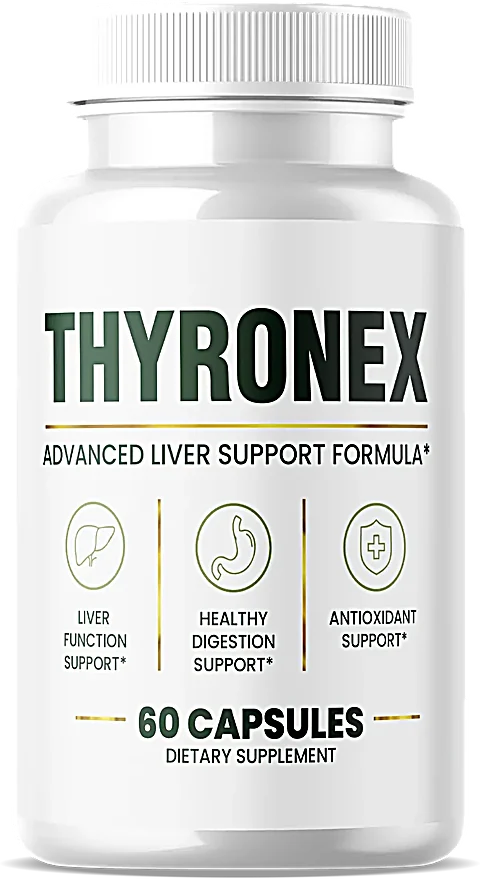
Considering Thyronex? Two bottles are $158 plus shipping; six are $294 ($49 each) with free US shipping and three bonus guides. Only unopened bottles can be refunded, so start with fewer if you are unsure, and read the safety guide if you take thyroid or other medicine.
Order Thyronex From $49/BottleQuestions
Has Thyronex been clinically tested?
No published trial of the finished formula exists, as the seller acknowledges.
Are the references real?
Yes. They are genuine review papers on biology and individual ingredients.